













Frequently Asked Questions
What are through hole connectors and how are they used in electronics?
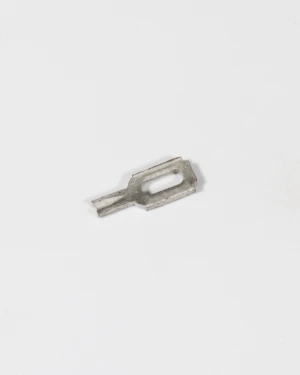
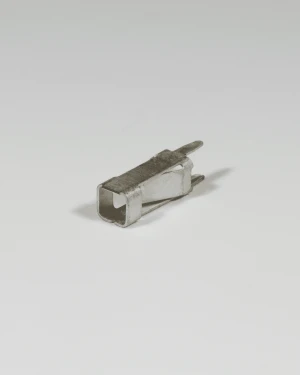
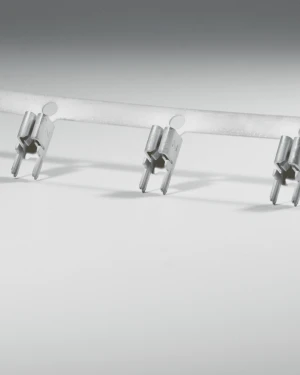
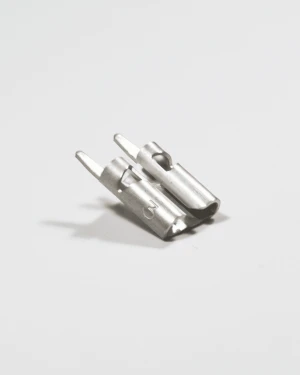
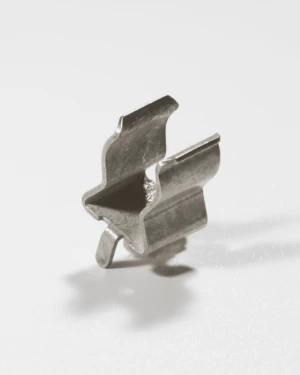
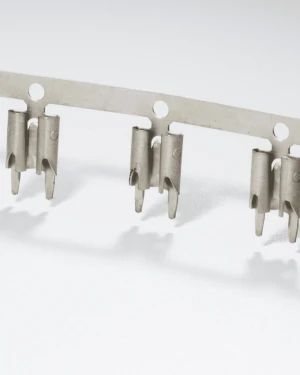
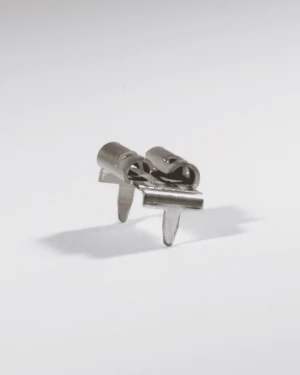
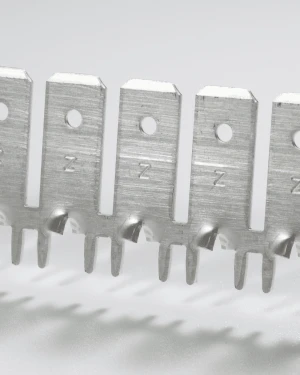
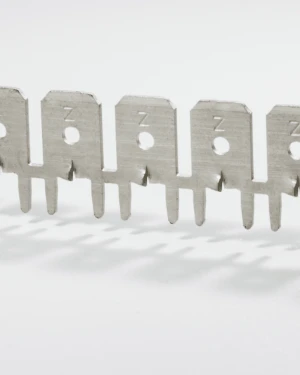
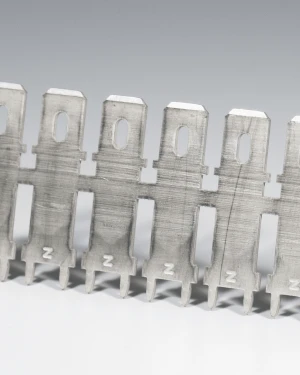
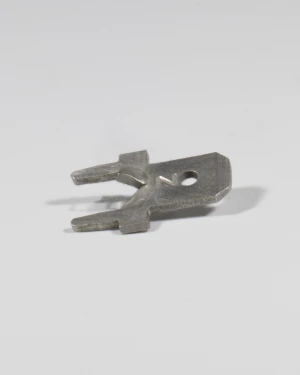
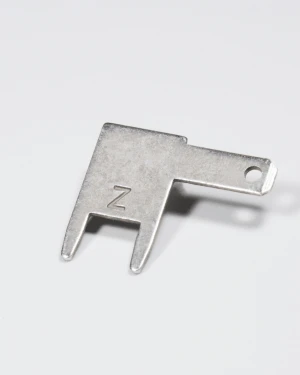
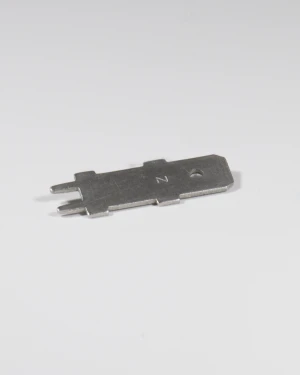
Through-hole connectors are components featuring leads that pass through pre-drilled holes in a PCB and are soldered on the opposite side. Unlike surface mount technology (SMT), this mounting method provides exceptional mechanical strength and durability, making them ideal for connectors subject to physical stress. They offer superior electrical performance and reliable solder joints, which is why they remain a staple in high-reliability applications where SMT might fail under pressure.
What are PCB through hole terminals and why are they important for circuit design?
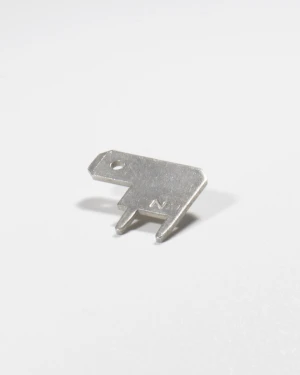
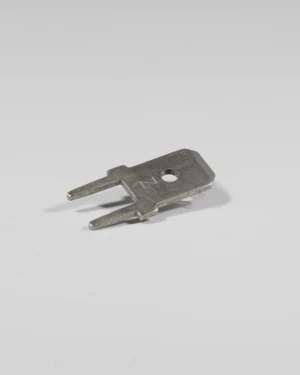
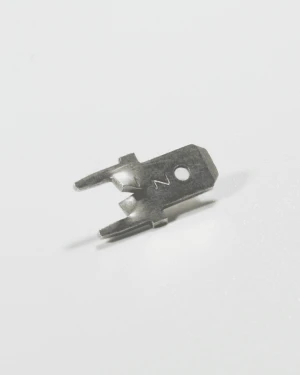
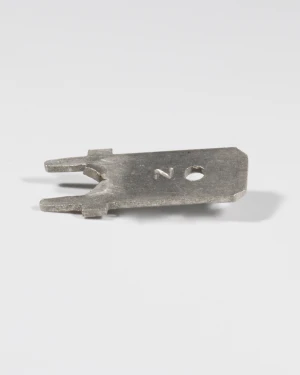
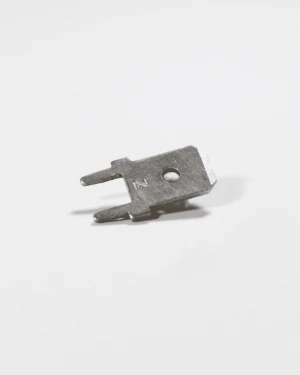
In circuit design, PCB through-hole terminals serve as critical connection points that prioritize mechanical stability. The soldering process creates a robust bond that penetrates the board, ensuring consistent electrical connectivity even in high-stress or high-vibration environments. While surface-mount is preferred for density, engineers choose through-hole terminals when the design demands a rugged interface capable of withstanding significant manual handling or external pull forces.
What applications commonly use quick disconnect terminals in through hole assemblies?
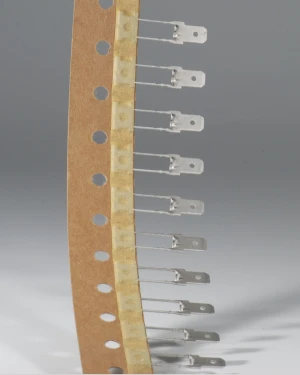
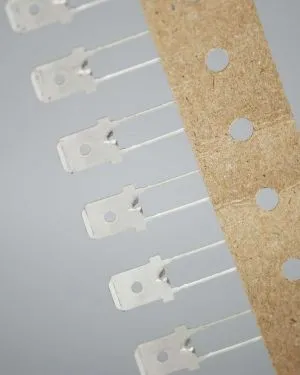
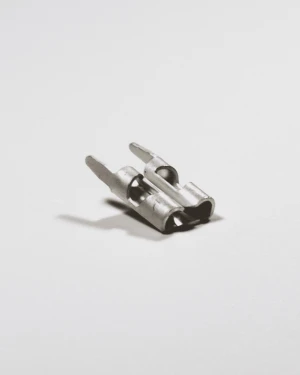
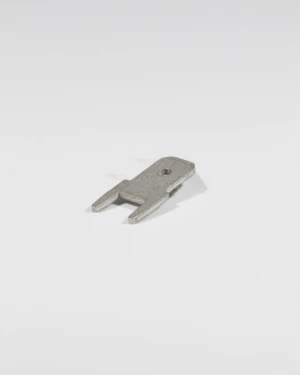
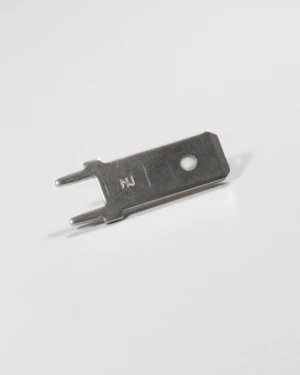
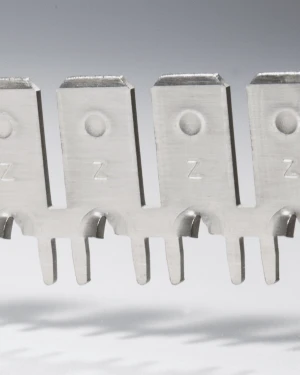
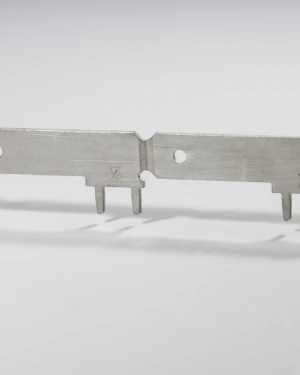
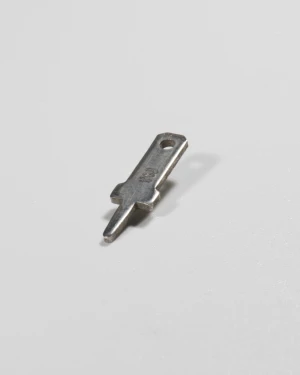
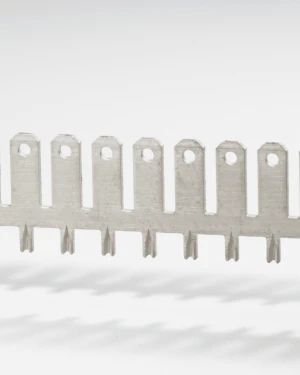
Quick-disconnect terminals are frequently integrated into through-hole assemblies to facilitate ease of assembly and rapid disassembly. These are common in automotive wiring, household appliances, and industrial machinery, where components must be swapped without de-soldering. By providing a secure yet removable link, they enhance safety and reliability, ensuring that heavy-duty electrical systems remain serviceable throughout their operational lifespan in demanding field conditions.
What are through hole receptacles and how do they function in connector systems?
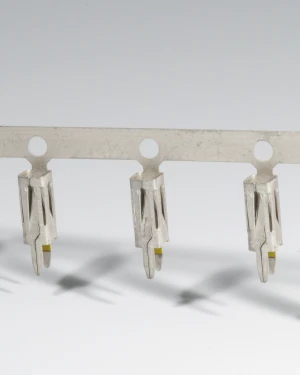
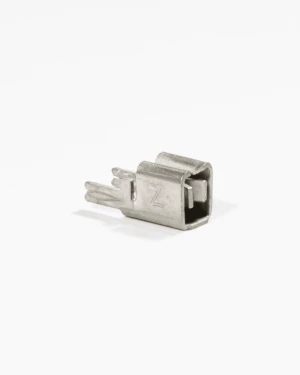
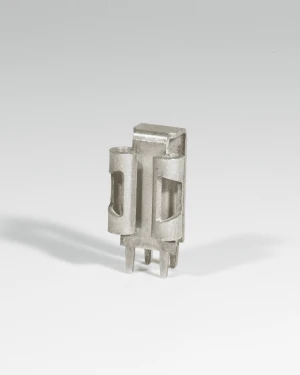
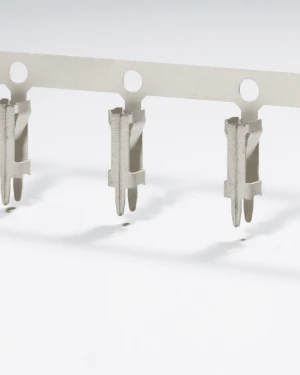
Through-hole receptacles act as the female portion of a connector system, designed to accept a mating plug. Integrated via through holes for maximum retention, these parts offer high durability during repeated mating cycles. Their role is vital in maintaining electrical characteristics like low contact resistance. Because the housing is anchored through the PCB, these receptacles are much less likely to “lift” off the board compared to their surface-mount counterparts.
What types of through hole PCB parts are essential in electronic assemblies?
Electronic assemblies rely on various through-hole PCB parts, including headers, switches, and bulky components like transformers or inductors. These parts are essential because their mounting style offers superior structural support and thermal dissipation. From aerospace to consumer power supplies, using through-hole components ensures that heavy or heat-generating parts remain securely fastened, providing a level of physical integrity that is difficult to achieve with surface-mount equivalents.
How do through hole connectors differ from surface mount connectors?
The primary difference lies in mounting style: through-hole connectors utilize leads that penetrate the board, whereas SMT sits on the surface. Through-hole excels in mechanical strength and solder joint reliability, particularly in high-stress environments where thermal expansion or physical shock is a factor. While surface-mount excels in miniaturization and automated high-speed assembly, through-hole remains the gold standard for parts requiring a “permanent” and ruggedized connection.
What are the advantages of using PCB through hole terminals in industrial applications?
Industrial environments demand high vibration resistance and load-bearing capacity, which is why PCB through-hole terminals are preferred for heavy machinery. The strong solder connection provides long-term reliability and ease of serviceability in the field. Unlike SMT, which can crack under intense mechanical oscillation, through-hole technology ensures that power and signal connections remain intact, even when the equipment is subjected to the harsh conditions of a factory floor.
Why choose quick disconnect terminals for rapid maintenance and repairs?
For field service and repairs, quick-disconnect terminals are the go-to solution because they allow for fast replacement with minimal tools. Available in standard sizes, they significantly reduce system downtime. They provide a reliable electrical safety barrier while ensuring that technicians can perform maintenance efficiently. This makes them indispensable in systems where “time is money,” such as commercial HVAC units or large-scale power distribution racks.
What should engineers consider when selecting through hole receptacles for a design?
When selecting through-hole receptacles, engineers must evaluate factors like pitch, current rating, and retention strength. The material and plating of the contacts are crucial for preventing oxidation in harsh operating environments. Compatibility with mating plugs and the physical layout of the PCB must be verified to ensure the receptacle can handle the expected electrical load without overheating, ensuring the connector system’s longevity.
How do through hole PCB parts contribute to long-term assembly reliability?
Through-hole PCB parts contribute to long-term reliability by providing unmatched solder joint durability and mechanical support. Their ability to withstand thermal cycling and physical jarring makes them easier to test and service over decades of use. This proven legacy performance is why they are still specified in critical infrastructure today; they offer a stable foundation that ensures the assembly remains functional long after less robust technologies might have failed.