




Frequently Asked Questions
What are hardware eyelet terminals?
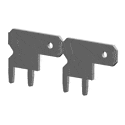
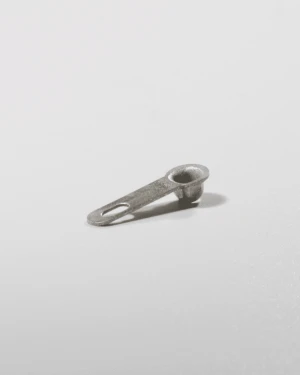
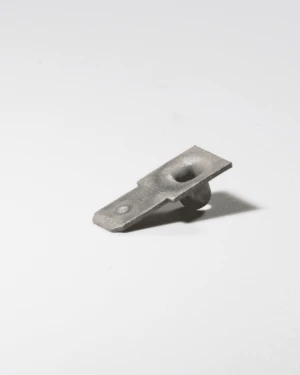
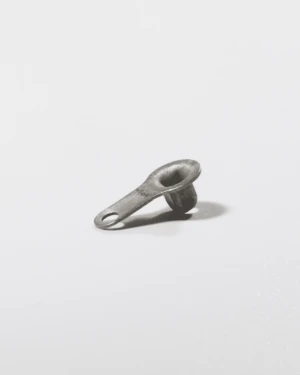
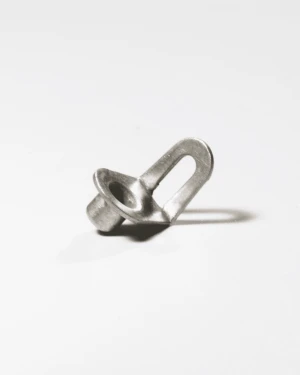
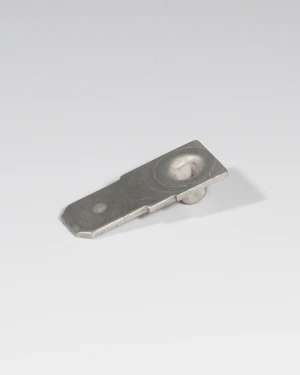
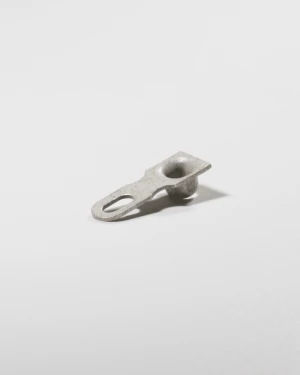
Eyelet terminals are small metal fasteners with a circular opening; the body itself is round or square. They are inserted through a hole in a PCB or panel, sitting flush against the board surface to create a secure anchor point for electrical and mechanical connections.
Widely used in PCB and panel mounting applications, they reinforce plated through-holes, maintain electrical continuity between board layers, and provide secure anchor points for component leads. By distributing mechanical load across the terminal body and board hole, they help ensure long-term reliability in demanding environments.
What are eyelet terminal connectors used for?
Eyelet terminal connectors are primarily used for grounding, wire-to-board, and wire-to-chassis connections. They can be fastened using screws or rivets, which provides strong mechanical retention that resists pull-out forces even in high-vibration environments. This makes them a reliable choice for industrial and automotive wiring applications.
A fastener passes through the eyelet’s circular opening, securing the terminal to the board or panel without relying on solder alone. That physical retention is particularly valuable in applications where vibration, thermal cycling, or regular service access is expected.
How are PCB eyelet terminals installed?
PCB eyelet terminals are installed by inserting them into pre-drilled holes in the board. Once seated, they are typically secured by rolling, clinching, or swaging the exposed barrel against the board surface using a setting tool, though soldering can also be applied depending on the application.
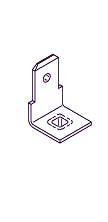
This installation process reinforces plated through-hole integrity and improves overall board durability. For high-reliability assemblies, eyelets provide a consistent, repeatable connection point that helps maintain conductivity under load. Zierick offers straight and 90° L-shaped PCB eyelet terminals to accommodate different board layouts and space constraints.
What materials are electrical eyelet terminals made from?
Electrical eyelet terminals are typically constructed from brass, which offers an effective combination of conductivity, strength, and workability. Zierick’s eyelet terminals use C26000 brass as the base material: a standard copper alloy known for reliable performance across a range of temperatures and mechanical loads.
To enhance corrosion resistance, the brass is finished with matte tin plating over a copper undercoat. This combination protects the terminal in humid or chemically active environments while preserving the low contact resistance and solderability that copper-based alloys provide. Compliance certifications, including RoHS, are available for specific products.
Why choose brass eyelet terminals for electronic applications?
Brass eyelet terminals offer a well-balanced combination of electrical conductivity and mechanical durability. The material resists corrosion better than bare copper while remaining cost-effective at production scale, making brass a practical choice for grounding connections and PCB mounting hardware across a wide range of applications.
Brass also maintains its structural integrity under elevated temperatures, which is important in assemblies that experience heat cycling. With proper tin plating, brass eyelet terminals deliver a long service life without significant degradation, reducing the need for early replacement and contributing to overall system reliability.
What industries commonly use industrial eyelet terminals?
Industrial eyelet terminals appear across a broad range of sectors. Automotive systems rely on them for secure grounding and wire routing within high-vibration assemblies. Power distribution, lighting systems, and industrial control panels also depend on the reliable mechanical and electrical retention that eyelets provide.
Aerospace and heavy machinery applications place particularly high demands on connection integrity, making industrial eyelet terminals a valued component in those environments as well. Wherever a connection must hold under repeated stress, temperature variation, or continuous operation, eyelet terminals offer a dependable solution.
What are the advantages of using eyelet terminals over solder-only connections?
Solder-only connections rely entirely on the joint itself to bear electrical and mechanical loads. Eyelet terminals distribute that stress across the board hole and the terminal body, significantly reducing the risk of pad lift or cracked joints over time.
The result is a connection with stronger mechanical retention, better vibration resistance, and improved long-term reliability. Eyelet terminals also make servicing easier, since the physical retention point remains intact even if the solder joint needs attention. For assemblies subject to movement or repeated handling, this added mechanical security is a clear advantage.
Are PCB eyelet terminals suitable for high-current applications?
Whether a PCB eyelet terminal can handle high current depends on its size and the material it is made from. Larger diameter eyelets provide more contact surface area, which supports greater current flow without excessive heat buildup. The conductivity of the base material, typically brass with tin plating, also plays a role in overall current capacity.
Heat resistance is another important factor, as elevated temperatures can affect the integrity of the terminal and surrounding board material. Always consult manufacturer specifications and dimensional prints to confirm the current rating for a specific eyelet terminal before use.
How do you choose the right eyelet terminal size?
Selecting the correct eyelet terminal starts with matching the terminal’s outer diameter to the hole size in the PCB or panel. The opening must accommodate the mounting hardware or conductor connection used in the design, and the terminal body must suit the board thickness to ensure a secure fit once installed.
Current rating and mounting method should also factor into the selection process. Zierick offers round- and square-body eyelet terminals across a range of sizes, including straight and 90° L-shaped configurations, covering varied board layouts and spatial constraints. When in doubt, consult the manufacturer’s dimensional prints for precise guidance.
Are eyelet terminals reusable?
Eyelet terminals are designed as permanent, long-term fasteners rather than components intended for repeated removal and reinstallation. During the rolling, clinching, or swaging process, the terminal is mechanically set in place to create a secure hold, and attempting to remove it afterward can damage the terminal and surrounding board material.
If an eyelet terminal must be removed, replacement with a new component is the recommended approach. This ensures the connection meets its original mechanical and electrical specifications. Designing for serviceability from the start, by selecting accessible terminal placements, helps minimize the need for removal altogether.