












Frequently Asked Questions
What is a surface mount PCB and how does it work?
A surface mount PCB is a printed circuit board where electronic components are mounted directly onto the surface of the board instead of being inserted through holes. This process uses surface mount technology (SMT), which allows parts to be precisely placed and soldered using automated equipment. In surface mount technology PCB production, components sit flat against the board, enabling compact layouts, efficient electrical performance, and reliable connections. Surface-mount PCBs are widely used in modern electronics where space and performance matter.
What are the benefits of SMT PCB assembly?
SMT PCB assembly allows manufacturers to use smaller components and place more parts on a single board, increasing functionality without increasing size. The automated nature of SMT PCB assembly improves production speed, consistency, and accuracy. This method also supports better electrical performance due to shorter signal paths and offers cost efficiency at scale. Because of these advantages, surface mount PCB manufacturing has become the industry standard for high-volume and high-performance electronics.
How is surface mount technology different from through-hole PCB manufacturing?
Surface mount technology PCB manufacturing places components directly on the board’s surface, while through-hole manufacturing requires leads to pass through drilled holes. SMT supports higher component density, faster automated assembly, and more efficient use of board space. Through-hole boards can offer stronger mechanical bonds for certain parts, but SMT circuit board manufacturing is preferred for modern electronics because it enables smaller designs, quicker production, and improved electrical performance across most applications.
What industries commonly use SMT circuit board manufacturing?
SMT circuit board manufacturing is widely used across many industries due to its reliability and scalability. Consumer electronics rely on surface mount PCB designs for smartphones, laptops, and wearables. Automotive systems use SMT for control modules and sensors. Medical devices, industrial equipment, telecommunications infrastructure, and aerospace and defence electronics all depend on SMT PCB assembly to support compact designs, high performance, and consistent quality in demanding environments.
Why are surface mount PCBs ideal for compact electronic designs?
Surface-mount PCBs are ideal for compact designs because components are smaller and mounted directly onto the board surface, allowing for much higher component density. This space-saving approach supports lightweight products and smaller device footprints. Surface-mount technology PCB layouts also improve signal performance by shortening electrical paths. These advantages make surface mount PCB solutions essential for modern electronics, where size, speed, and efficiency are critical.
What components are typically used in SMT PCB assembly?
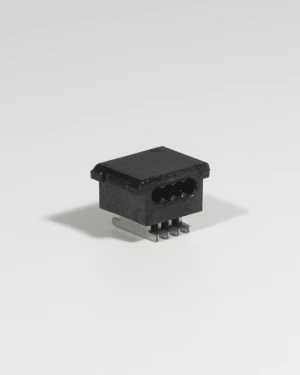
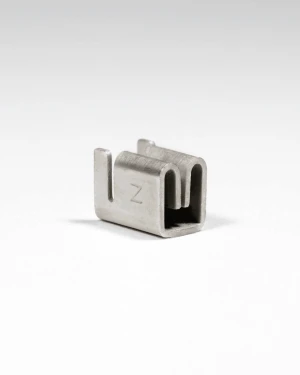
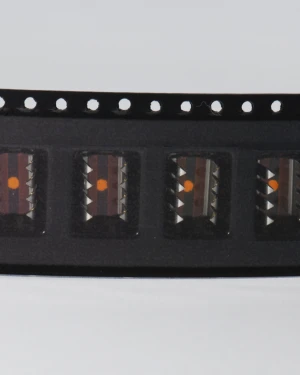
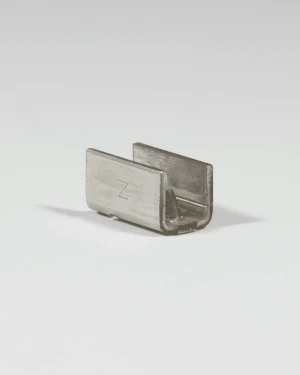
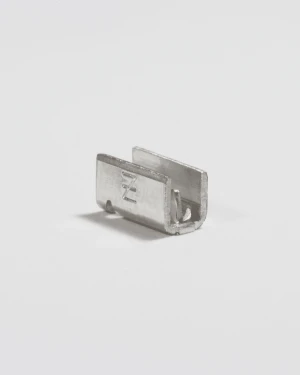
SMT PCB assembly commonly includes resistors, capacitors, integrated circuits, microchips, LEDs, sensors, and fine-pitch components. Surface-mount connectors are also frequently used to support compact interconnections. All of these parts are designed to be compatible with automated placement equipment used in surface-mount technology PCB manufacturing. This component range allows SMT circuit board manufacturing to support everything from simple control boards to complex, high-density electronic systems.
How does SMT improve performance and reliability in PCBs?
Surface mount technology improves performance by shortening signal paths, which reduces parasitic effects and supports higher-speed operation. SMT PCB assembly also enables consistent, high-quality solder joints through precise automated placement. Surface mount PCB designs typically provide better thermal performance and improved vibration resistance. Together, these factors lower failure rates and increase long-term reliability, making SMT circuit board manufacturing a trusted choice for critical and high-performance electronics.
What should manufacturers consider when designing SMT circuit boards?
When designing for SMT circuit board manufacturing, manufacturers must carefully plan component placement, thermal management, and board material selection. Clearances, solder pad design, and assembly tolerances are critical for reliable SMT PCB assembly. Designers should also account for manufacturing constraints, inspection requirements, and testing access. Proper planning ensures the surface mount PCB can be produced efficiently while meeting performance, quality, and reliability standards.
Are surface mount PCBs suitable for high-volume production?
Yes, surface mount PCBs are well-suited for high-volume production because SMT PCB assembly is highly automated and scalable. Automated placement and soldering reduce labor costs while maintaining consistent quality across large production runs. Surface mount technology PCB processes also support faster production cycles and streamlined supply chains. These advantages make SMT circuit board manufacturing the preferred method for companies producing electronics at commercial and industrial scales.
How do surface mount PCB components support modern electronics manufacturing?
Surface-mount PCB components support modern manufacturing by enabling miniaturization, higher processing speeds, and dense circuit layouts. SMT PCB assembly integrates easily with automated production lines, supporting smart devices, IoT products, and advanced computing systems. Surface mount technology PCB methods are compatible with emerging technologies and evolving performance demands. This future-ready approach allows SMT circuit board manufacturing to keep pace with innovation across today’s electronics industry.