
Walk through a smart factory, and everything looks… dialed in.
Boards sit exactly where they’re supposed to. Connectors line up without forcing anything. Nothing feels off or improvised.
That doesn’t happen by accident.
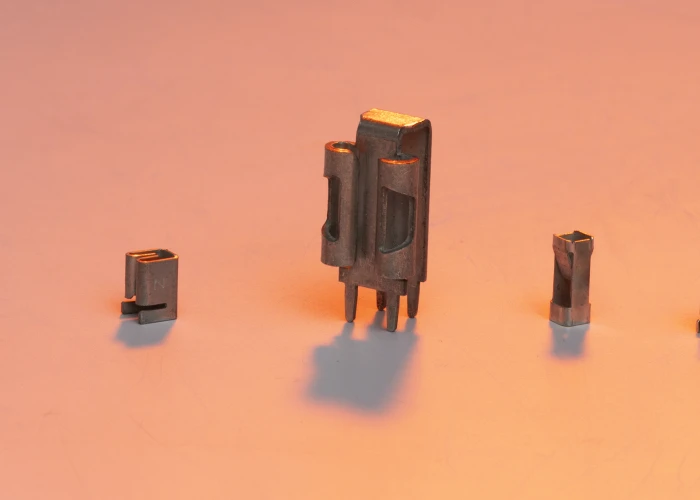
A lot of it comes down to circuit board PCB hardware. Not the flashy part of the build, but the part that quietly holds everything in place so the rest of the system can work the way it’s supposed to.
And when PCB hardware is wrong, you feel it pretty quickly.
Why Mounting Hardware Matters More In Automated Assembly
With manual assembly, there’s a little forgiveness built in. Someone can nudge a board into place, correct alignment, make it work.
Automation doesn’t do that.
Machines assume everything is already right.
If a mainboard PCB is even slightly off, the system doesn’t adjust. It just keeps going. That’s when you start seeing bad placement, weak solder joints, or boards that don’t pass inspection.
So the job of circuit board PCB hardware becomes simple, but strict. Keep things exactly where they belong. Every time.
Not close. Exact.
Modular Systems Change The Game A Bit
A lot of newer systems are built in sections now. Smaller PC boards instead of one large assembly.
It’s great for maintenance. Swap a module, get things running again.
But it also means alignment matters more than it used to. Each board has to meet the next one cleanly. No forcing connectors. No slight misfits.
Here’s where good PCB mounting hardware earns its keep. Standoffs, terminals, supports. They don’t just hold the board up. They keep everything lined up so connections land the way they should.
You can take a look at Zierick’s hardware options here if you need components built for that kind of setup.
Robotics Doesn’t Tolerate “Close Enough”
Pick-and-place machines, inspection systems, automated handling. They all depend on consistency.
If a board flexes even a little, it throws things off. Placement gets inconsistent. Inspection flags issues. You end up chasing problems that didn’t need to exist.
Solid hardware PCB components help prevent that. They keep:
- the board flat
- connectors where they’re expected
- spacing consistent across builds
And in high-density assemblies, that consistency matters more than people think.
Strength Without Overbuilding
Here’s the balance.
You need strength, but you don’t want to overload the board with bulky hardware. Too much weight or pressure introduces a different set of problems.
Good printed circuit board PCB hardware supports the board without stressing it. It holds things steady, but lets the system handle thermal expansion and normal movement.
That balance is easy to overlook until something starts cracking or warping.
What Shows Up During Inspection
Modern inspection systems don’t miss much.
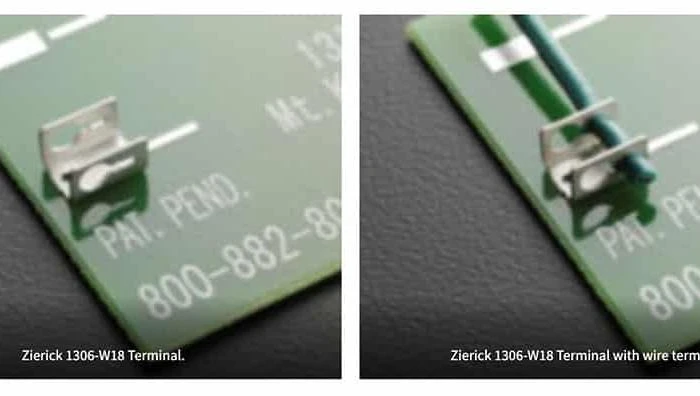
Loose supports. Slight misalignment. A shifted PC board terminal. It all gets flagged.
And once that happens, you’re into rework. Slower throughput. More cost.
Over time, the same hardware also has to deal with vibration, heat changes, and repeated access during servicing. If it can’t hold up to that, problems show up later instead of sooner.
Where It All Comes Back To
Mounting hardware doesn’t get much attention when things are working.
But it’s usually the first place you look when something feels off.
In smart factory environments, everything depends on consistency. Placement, alignment, repeatability. PCB hardware supports all of it.
If the base is solid, everything above it works better.
If it’s not… you end up fixing things you shouldn’t have had to touch in the first place.